
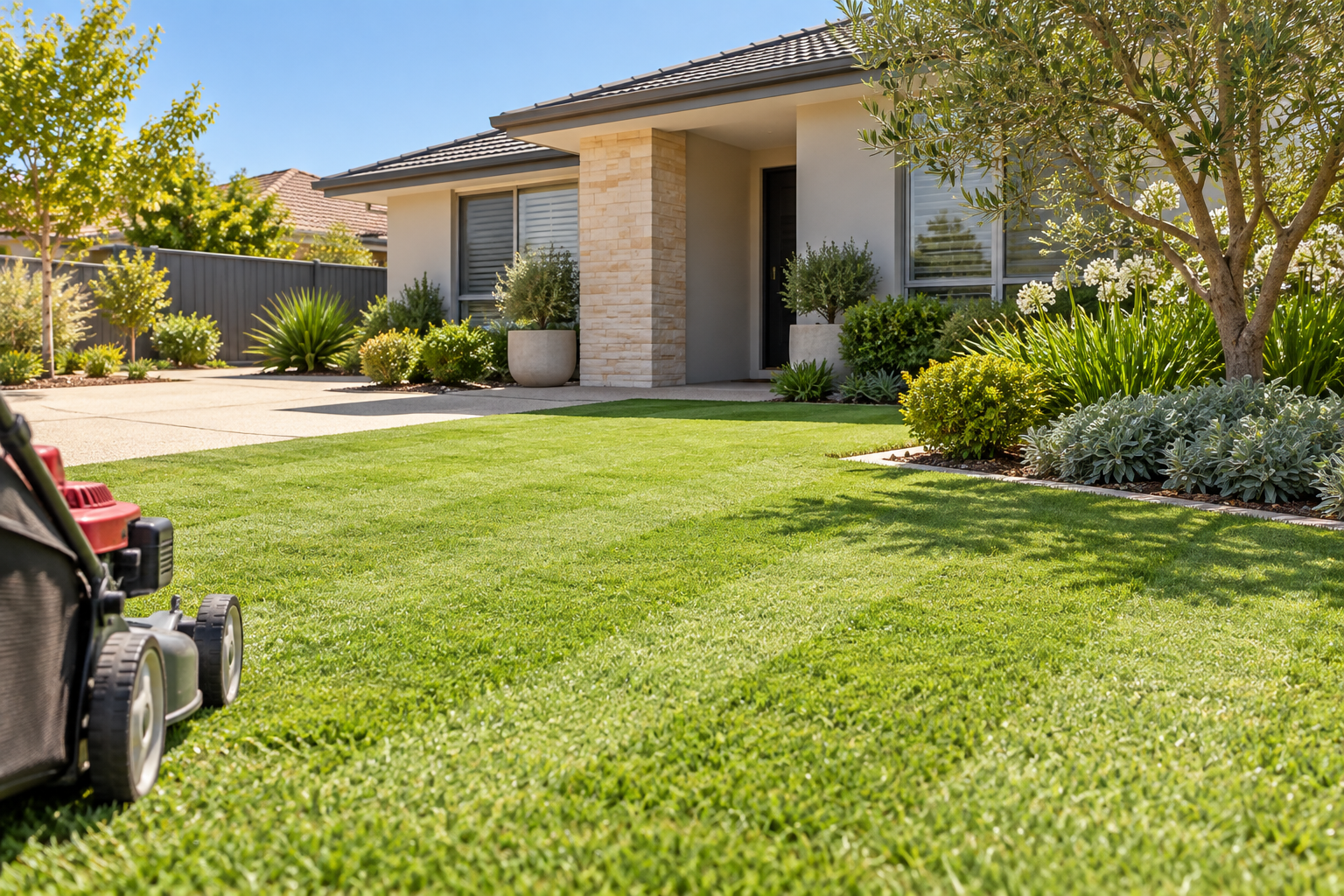
A hedge can frame a garden, screen a view and give an outdoor area a clear shape. When it grows past the space you want it to fill, the same hedge can crowd a path, block light or look uneven. GREENCREST WA offers hedge trimming and pruning to help you keep hedges tidy while paying attention to how the plants grow.
Every hedge is different. Some are kept as neat, straight borders. Others have a softer shape, flowers or berries you want to keep. The right cut depends on the plant, its condition and the result you want. If you are looking for a light trim or need to discuss an overgrown hedge, tell us what you would like to change.
Request a quote from GREENCREST WA for your hedge trimming and pruning needs.
Why Hedge Trimming and Pruning Matter
Hedges often do more than decorate a garden. They may mark a boundary, create privacy, soften a fence or guide people along a path. Keeping them at a suitable height and width helps them serve that purpose without taking over the rest of the outdoor space.
Hedge trimming usually means cutting back new growth to maintain the outline of an established hedge. Hedge pruning can involve more selective cuts to manage the plant’s structure, remove unwanted branches or respond to the way it has grown. The terms are often used together, but the aim of the cut matters more than the label.
An even-looking top is only part of a good result. A hedge that is much wider at the top can shade its lower branches. Keeping a taller hedge a little narrower at the top lets light reach more of the plant and may help prevent thin growth near the base. Source: Royal Horticultural Society.
Some hedges also flower or produce berries. Frequent cutting can remove the shoots that would carry them. If those features matter to you, tell us before a trim is planned. The best time and amount to cut depend on the plant rather than a single rule for all hedges. Source: Royal Horticultural Society.
When to Consider Hedge Trimming and Pruning
You may want a trim when new shoots break the outline of a formal hedge or the sides begin to grow into space you use. There is no need to wait until a hedge is very tall. Small, timely cuts can be easier to plan than a large reduction after years without care.
Hedge care may be worth discussing when:
- Branches are spreading over a path, driveway or garden bed.
- The top or sides have grown unevenly.
- The hedge is becoming wider than the area available for it.
- Lower branches are thin while the upper growth is dense.
- You want to keep a clear view, an entrance or a boundary looking neat.
- You have a flowering hedge and are unsure when it should be cut.
An overgrown hedge may need a different approach from a routine trim. Cutting it back sharply in one visit may leave bare wood, and some plants do not grow back well from old stems. The Royal Horticultural Society notes that most conifers, apart from yew, do not regrow from old wood. Source: Royal Horticultural Society. Let us know if you want to reduce a hedge’s height or width by a large amount so that the plant and your goal can be discussed first.
What Makes a Difference to the Result
The plant and its purpose
A low border hedge, a tall privacy screen and a loose flowering hedge should not automatically receive the same cut. A formal hedge is usually kept to a defined shape. An informal hedge may look better with a lighter trim that leaves more of its natural form.
If your main aim is privacy, you may want to keep useful height while controlling the sides. If your aim is to open a walkway, width may be the bigger concern. If flowers or berries are important, the timing of the cut needs care. Clear goals help avoid a tidy-looking result that removes the feature you valued most.
Shape and light
The shape of a hedge affects how light reaches its leaves. On a tall hedge, a slightly narrower top can help the lower growth receive more light. A flat wall of foliage that becomes wider toward the top may leave the bottom shaded and sparse. Source: Royal Horticultural Society.
That does not mean every hedge must have the same finished shape. The available space, slope of the ground and existing growth all matter. An older hedge with thin lower branches may take time to improve, and trimming alone may not fill every bare area. The first useful step is to look at what is growing well and what you want the hedge to do.
Timing and the amount removed
Hedges grow at different rates. Some need regular light cuts to hold a formal outline; others may be trimmed less often. Flowering hedges need extra care because cutting at the wrong time can reduce their flowers. Source: Royal Horticultural Society.
It is also sensible to check a hedge for active bird nests before cutting. If birds are using it, the work may need to wait. Source: Royal Horticultural Society. If your hedge has heavy branches, a steep site or a height that is difficult to reach safely, mention this when requesting a quote.
One-Off and Regular Hedge Trimming and Pruning
A one-off visit may suit a hedge that needs its shape restored before an event, a property handover or a change in how you use the garden. It may also be useful if you usually care for the hedge yourself but need help with a larger job.
Regular visits can suit hedges that you want to keep within a defined height and width. The interval depends on the plant, how fast it grows and how neat you want it to look. A hedge kept as a crisp border may need more frequent attention than one grown for a softer, natural appearance. Source: Royal Horticultural Society.
If you are unsure whether a single visit or repeat care makes sense, tell GREENCREST WA how quickly the hedge grows out of shape and what you want it to look like between visits. The timing can then be discussed in light of the plant and the finish you prefer.
For a very overgrown hedge, it helps to distinguish a maintenance trim from a major size reduction. The latter may call for more thought about the plant’s ability to regrow and the look you can expect afterward. Share a recent photo and the height or width you hope to reach when asking for a quote.
Why Choose GREENCREST WA?
GREENCREST WA can start with the outcome you need from hedge trimming and pruning: a neater outline, more room along a path, a lower hedge or care that takes flowers into account. Describe your hedge and the result you want when you request a quote.
You can start with the result you want: a neater outline, more room along a path, a lower hedge or care that takes flowers into account. We can discuss those needs when preparing your quote. There is no need to choose a pruning method or decide how much growth should be removed before you get in touch.
If the hedge has gone without a trim for a long time, say so. A realistic discussion about the plant and the size change you want is more useful than assuming every hedge can be cut back hard and look full straight away. If you also need lawn mowing or a broader garden tidy, mention that separately so the work can be discussed clearly.
Related Services
You Might Also Need
Book your gardening cleaning service in 60 seconds

