
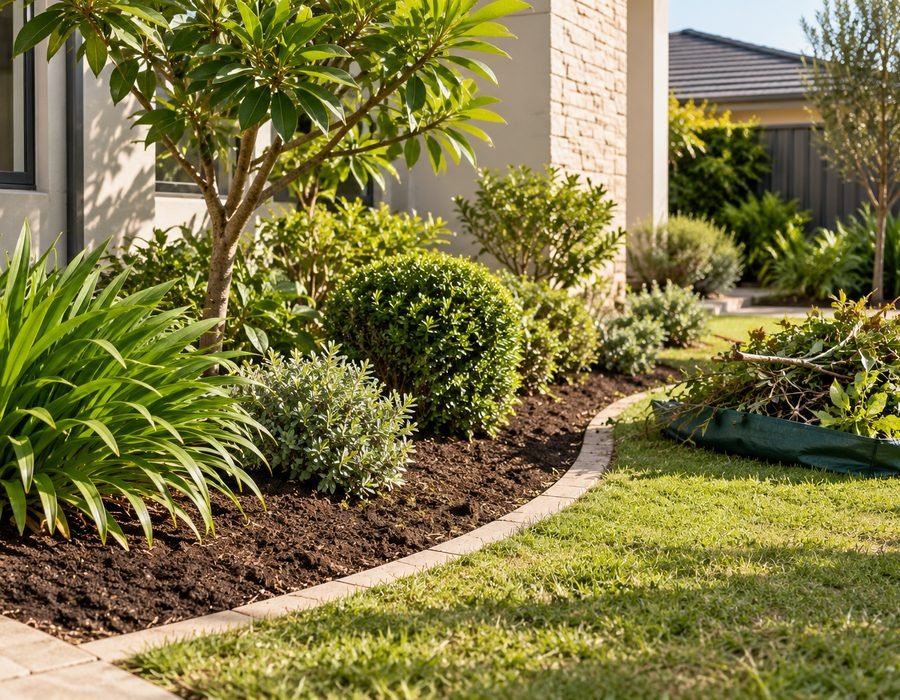
A garden can become hard to use when weeds, fallen leaves, old growth and loose branches build up. The space may still have healthy plants, but the paths, beds and lawn edges can disappear beneath the clutter. GREENCREST WA offers Garden Clean up help for people who want to bring an outdoor area back into order and decide what care it needs next.
Your garden may need attention after a busy season, before guests arrive or when you take responsibility for a property. The work should reflect the space in front of you. A small courtyard with crowded pots calls for different care from a large garden with overgrown beds. Tell us what has changed and what you want to be able to see or use again.
Request a quote from GREENCREST WA to discuss your garden and the result you want.
Why Garden Clean up Matters
It is easier to enjoy a garden when you can move through it, see the plants and make use of its open areas. Fallen material can hide paving, and fast-growing weeds can take up space intended for other plants. A considered tidy-up helps you see what is doing well and what needs further attention.
Garden Cleaning is not the same as removing every leaf or cutting every plant back. Some healthy leaves can be useful under shrubs or in compost, and some stems or seed heads can provide food or shelter for wildlife. At the same time, material showing signs of plant disease may need careful removal rather than being left around healthy plants. The Royal Horticultural Society advises balancing a neat garden with habitat for wildlife, while Water Corporation recommends removing diseased plant material and invasive weeds. Sources: Royal Horticultural Society; Water Corporation.
The aim is a garden that works for you. That might mean clear paths and visible borders while keeping healthy ground cover where it belongs. It could mean dealing with old plant growth before you decide what to plant next. A tidy garden makes those choices easier to see.
When to Consider a Garden Clean up
You do not need a garden in poor condition to ask for help. A one-off Garden Tidy up can be useful when routine work has slipped behind or when you want a fresh starting point for regular care.
You may be ready to arrange a visit when:
- Garden beds are difficult to see beneath weeds or fallen material.
- Paths, steps or seating areas have become crowded by plant growth.
- Pruned branches and other garden waste have built up.
- You are getting a property ready for guests, tenants or an inspection.
- You have taken on a garden and want to understand what needs attention first.
- Seasonal growth has changed the shape and feel of the outdoor space.
Think about your main goal before requesting a quote. Do you want easier access, clearer beds, room to sit outside or a garden that is simpler to maintain? A short description of the problem is often more useful than asking for a general clean without saying what matters most.
If the space has heavy rubbish, building waste, large fallen limbs or other material beyond ordinary garden growth, mention it. Those conditions may call for separate arrangements and should be discussed before anyone assumes they are part of a standard garden visit.
What Makes a Difference to the Result
Keeping wanted plants clear
A bed can look overgrown while still holding plants you want to keep. Some plants die back for part of the year and return later. Others may be young enough to look like weeds at first glance. Before a large tidy-up, it helps to identify favourite plants, new plantings and areas you want left alone.
Marking a valued plant or sharing a photo can avoid confusion. If you are unsure what is growing, say so. A garden clean-up should give you a clearer view of the space without assuming that every small plant is unwanted.
Choosing what to do with fallen material
Leaves, clippings and branches are not all alike. Healthy leaves can sometimes be used for mulch or compost, while diseased material may need a different approach. The Royal Horticultural Society explains that fallen leaves can be turned into leaf mould, and University of Minnesota Extension cautions that a home compost pile may not get hot enough to deal with some plant diseases. Sources: Royal Horticultural Society; University of Minnesota Extension.
If you want cuttings left for compost, placed in your garden waste bin or taken away, state that when you request a quote. Waste handling can affect the time and arrangement needed. Do not assume removal is included unless it has been agreed.
Looking beyond appearance
Weeds that keep returning, an area that stays damp or a bed where plants struggle may point to a larger garden issue. Clearing the area makes it easier to see what is happening, but it may not solve the cause. A tidy-up can be a first step before you decide whether you need mulching, drainage work, planting or ongoing weed care.
Mulch is one possible next step for bare beds. Water Corporation notes that mulch can reduce water loss and help limit weed growth. Whether a bed needs mulch, and what kind is suitable, depends on the plants and the area. Source: Water Corporation.
One-Off and Regular Garden Clean up
A one-off visit can help after a period when the garden has grown beyond the time you have available. It may suit a move, an upcoming gathering or the first visit to a property you have recently taken on. The aim is to agree on the parts of the outdoor area that need attention now.
Regular care serves a different need. It helps you keep growth and fallen material from building up again, especially when the garden has several beds or fast-growing plants. The right frequency depends on the plants, season, size of the space and how tidy you want it to look.
You may also choose a larger initial Garden Tidy up followed by lighter visits. That can make sense when the garden needs a fresh start but you want to spend less time on it afterward. If you prefer to maintain some areas yourself, explain which parts you would like help with.
Before agreeing on a repeat schedule, think about what will change between visits. Leaves may fall at one time of year, weeds may grow more quickly at another, and flowering plants may need to be left until the right time to cut. A useful plan follows the garden rather than treating every visit as identical.
Why Choose GREENCREST WA?
GREENCREST WA can discuss a Garden Clean up around the outdoor space you have and the result you want. You might need a single area brought back into use, several beds tidied or help deciding which work should come first. Explain those needs plainly when you make an inquiry.
If you want to keep certain plants, retain some healthy leaves for mulch or arrange a separate service for garden waste, say so. These choices make the quote conversation clearer. Garden Cleaner services can cover different kinds of work, so a useful agreement starts with a shared understanding of the garden and the areas you want addressed.
You do not need to know every plant name. A walk-through description or a set of clear photos can show the condition of the garden. Point out any areas that are difficult to reach, any materials you want kept, and any date you are working toward.
FAQs
Frequently Asked Questions About Garden Clean up
A Garden Clean up usually focuses on a build-up of growth and material that needs attention now. Regular maintenance aims to keep the garden manageable over time. The amount of work depends on the condition of the space and what you want done. Advice from the Royal Horticultural Society also shows why good garden care balances tidiness with healthy plants and wildlife.
No. Leaves may need clearing from paths or lawns, but healthy leaves can sometimes be used under shrubs or made into leaf mould. The best choice depends on where the leaves have fallen and what you want from the space. Source: Royal Horticultural Society.
It is often safer to keep diseased material out of a home compost pile because the pile may not reach the heat needed to break down the cause of disease. Discuss any suspect plant material before choosing how it should be handled. Source: University of Minnesota Extension.
A tidy-up can remove visible growth, but it cannot promise that weeds will never return. Seeds or roots may remain, and open soil can allow new weeds to grow. Mulch may help limit weed growth in suitable beds. Source: Water Corporation.
Send photos, the approximate size of the space, the areas you want tidied and details about access. State whether you want cuttings left on site, placed in a bin or removed, and point out plants you want kept. It also helps to say if you are seeking a single visit or a discussion about ongoing care. For general guidance on garden waste choices, see the Royal Horticultural Society.
Related Services