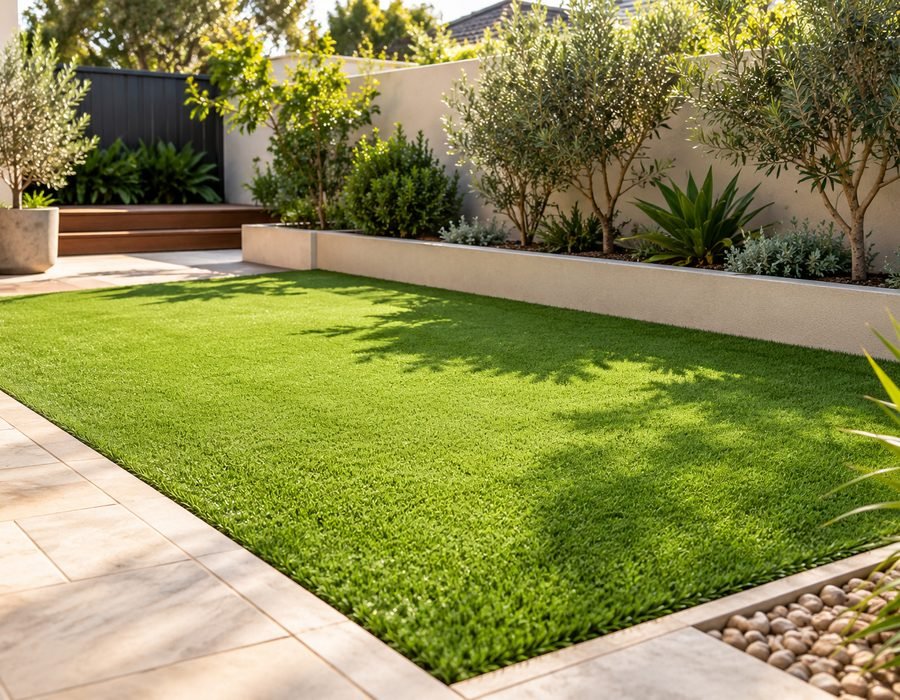
An outdoor area does not need a large natural lawn to be useful. Artificial grass can give a small yard, courtyard or other suitable space a green surface without routine mowing. The decision still deserves thought: the ground underneath, drainage, direct sun and how you use the area will all affect the result.
GREENCREST WA offers Artificial Grass Installation for people who want to discuss a new surface or replace an older one. Tell us what is there now and what you want the space to do. A place for children to play, a tidy view from the house and a pet area can each call for different choices.
Request a quote from GREENCREST WA and share photos of the area you have in mind.
Why Artificial Grass Installation Matters
The appeal is easy to understand. Artificial grass stays green without mowing and does not need the watering that living grass needs to grow. It can be an option where a small lawn is hard to maintain or where you want a consistent look through the year. It may also help you turn a bare area into a space that feels more finished.
It is still a surface you will live with every day. Synthetic grass can heat up in direct sun, and it does not cool an area in the same way as living plants. A Western Australian Government guide comparing natural and synthetic turf notes differences in heat, water movement and upkeep. Its focus is sports grounds, so a home yard needs its own assessment, but the main questions remain useful. Source: WA Government natural grass and synthetic turf guide.
Think about when you will use the space. An area viewed from indoors may have different needs from a place where people sit, walk barefoot or play at midday. Shade, the size of the area and nearby garden beds can change whether artificial grass is a good fit.
When to Consider Artificial Grass Installation
Artificial grass may be worth considering if you want the look of a lawn but do not want to mow it. It can suit a defined part of a yard, a narrow side area or a courtyard where the available space makes routine lawn care awkward.
You might also be looking at it when:
- Natural grass has repeatedly struggled in an area you want to use.
- An old artificial surface has become worn, uneven or hard to clean.
- You want a green area beside paving or garden beds.
- You need to plan a surface around children, pets or regular foot traffic.
- You are changing the layout of a yard and want to compare surface options.
Artificial turf installation is not automatically the best answer for every bare patch. If water collects there, that issue needs attention before a new covering goes down. If the area is exposed to strong sun, check how hot the surface may feel during the hours you plan to use it. If it sits beneath trees, leaves and other debris will still need to be cleared.
Ask yourself what problem you want the new surface to solve. If your main aim is less mowing, artificial grass may help. If your main aim is a cooler garden or more planting space, living plants, mulch or another surface may suit that aim better. Clear priorities lead to a more useful installation discussion.
What Makes a Difference to the Result
Ground condition and drainage
The surface underneath matters as much as the grass you see. An uneven base may show as bumps or dips, while poor drainage may leave water where you want a usable area. Before selecting a product, explain where water goes after rain or washing. If a puddle forms now, covering the area will not explain why it forms.
Different sites can need different ground work. Existing grass, bare soil, paving and an old synthetic lawn do not all start from the same point. Ask what site preparation and drainage work the quote covers, and whether any separate work needs to be discussed. The WA Government guide notes that synthetic turf systems may need drainage measures to manage water. Source: WA Government natural grass and synthetic turf guide.
Sun, shade and surface heat
A product can look inviting but feel uncomfortable in strong sun. Synthetic turf may be much hotter than natural grass in hot conditions. This matters most when you plan to sit or play on the surface, particularly for children and pets. The area, shade and time of day should be part of the decision. Source: WA Government natural grass and synthetic turf study.
Do not choose by colour alone. Ask to see a sample and think about the space on a warm day. In a fully exposed yard, shade and other planting may be useful parts of the wider design. No installer should promise that artificial grass will feel like living grass in summer.
Edges and everyday use
The way the grass meets paths, garden beds, walls and drains affects the finished look and how easy the area is to use. It also helps to think about gates, furniture and places that get the most foot traffic. A narrow strip beside a path may call for a different layout from a full backyard.
If pets will use the area, talk about how you will clean it and how water can drain. If furniture will stand on it, say where. If children will play there, mention the times the space is used and whether it needs shade. These details help artificial grass installers discuss a surface that suits the way you actually live.
New and Replacement Artificial Grass Installation
A new installation starts with a space that may be bare, paved or covered by living grass. The main questions are its size, current ground condition, drainage and the way you want to use it. A clear plan can also protect any plants or garden beds you want to keep.
Replacing an old artificial lawn raises another set of questions. The existing surface may be worn while the ground beneath it is still sound, or the trouble may come from the base, edges or water movement. Replacing only the visible layer without understanding the cause of a problem could leave you with the same problem again.
Tell GREENCREST WA why you want the change. Is the existing area uneven, hard to clean, faded or no longer right for how you use the yard? Photos can help show the condition, but a quote should make clear what will happen with the old material and whether any ground work is part of the proposed job.
Even a small installation is a long-term choice for that part of the garden. Think about how it will sit beside trees and planted beds, and whether you might change the garden layout later. Taking time to discuss those points is easier than moving a finished surface after it has been fitted.
Why Choose GREENCREST WA?
GREENCREST WA can discuss Artificial Grass Installation in terms of the site you have and the result you want. Start with the area, the ground that is there now and any trouble you have noticed with water, heat or access. A useful quote should reflect those conditions.
You do not need to arrive with a product chosen. Explain whether you want a new lawn area, an old surface replaced or help deciding if artificial grass fits the space. Photos of the whole area and its edges are a good starting point.
The installation is only one part of the decision. Ask about expected upkeep, how the proposed surface will drain, what preparation is assumed and any details that may change the quote. If you are comparing artificial grass with natural turf, focus on the way you will use the space rather than the first-day appearance alone.
FAQs
Frequently Asked Questions About Artificial Grass Installation
Yes. It does not need mowing, but leaves, litter and other debris still need to be cleared, and the surface may need cleaning according to the product guidance and how it is used. The WA Government’s synthetic turf study notes that surface care can affect appearance and drainage. Its study concerns sports areas, so ask about upkeep for the specific product proposed for your property. Source: WA Government synthetic turf study.
Yes. Synthetic turf can become hotter than living grass under strong sun. Shade and the hours you use the space matter, especially for bare feet, children and pets. Check the surface before use during hot weather. Source: WA Government natural grass and synthetic turf guide.
That depends on the chosen product, the base beneath it and where water can flow. A surface should not be assumed to fix existing puddles. Discuss current drainage and ask what the installation quote allows for. Source: WA Government natural grass and synthetic turf guide.
It may suit a pet area, but cleaning, drainage, heat and the product choice all need thought. Ask how the proposed surface should be washed and maintained, and check its temperature before a pet uses it in strong sun. Source: WA Government natural grass and synthetic turf study.
Send measurements, photos, details of the current surface and any issues with drainage or direct sun. Say how the area will be used and whether an old surface needs removal. Drainage and heat are both relevant when comparing natural and synthetic turf. Source: WA Government natural grass and synthetic turf guide.
Related Services