
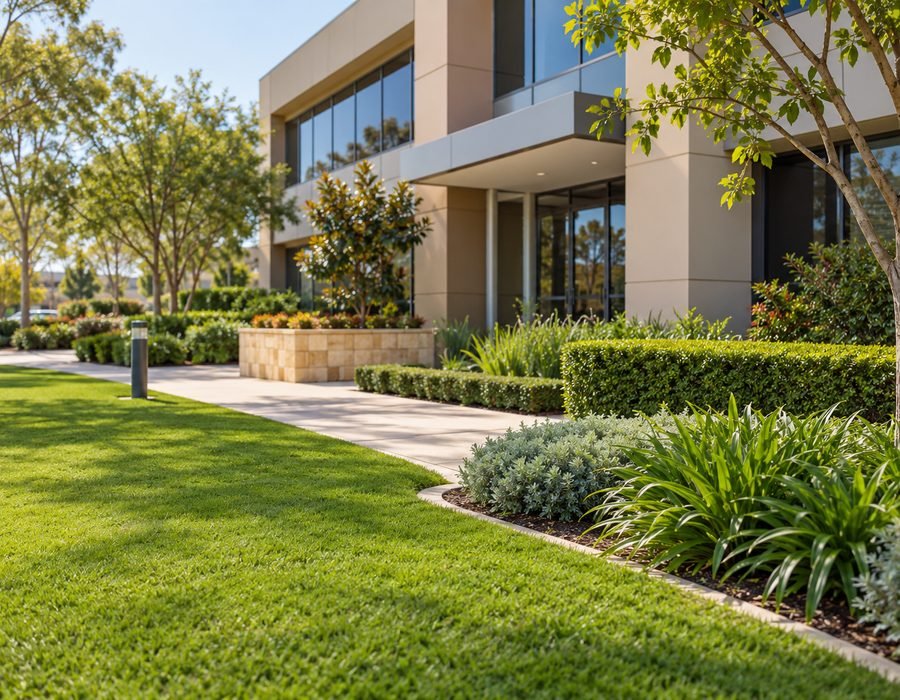
Outdoor areas are part of the way people arrive at and move around a property. Grass can grow over paths, hedges can narrow entrances and garden beds can change quickly between visits. GREENCREST WA offers commercial garden maintenance for businesses and property managers who want to discuss care for these shared spaces.
Every site has its own layout and use. A small entry garden outside an office is different from a larger property with lawns, planted areas and several access points. Tell us which spaces matter most, how people use them and what condition they are in now. We can then discuss the maintenance work you want quoted.
Request a commercial garden maintenance quote from GREENCREST WA.
Why Commercial Garden Maintenance Matters
A garden that looked neat after its last visit will keep growing. Lawn edges move into paths, weeds appear in beds and hedges change shape. Regular attention helps a property keep a usable outdoor area instead of waiting for every task to become a larger clean-up.
For a commercial property, the practical details matter as much as appearance. People need to see entrances, move along paths and use outdoor seating where it is provided. Plant growth near a gate, sign or walkway can change how easy those areas are to use. If a garden borders a car park or loading area, the work may also need to fit around how the property operates.
Good upkeep follows the plants and the seasons. A lawn may grow quickly at one time and slowly at another. A flowering hedge can need different timing from one maintained mainly for a formal shape. Water Corporation advises businesses to check irrigation systems and use garden care measures such as mulch to help manage outdoor water use. Source: Water Corporation.
Commercial garden maintenance services are most useful when the work reflects the property, rather than assuming that every outdoor area needs an identical list of tasks on every visit.
When to Consider Commercial Garden Maintenance
You may want ongoing care if outdoor areas need attention between property inspections or if your team has limited time to manage them. A visit can also be worth discussing when an existing arrangement no longer matches how the garden grows or how the site is used.
Common signs include:
- Grass growing across paths or losing a neat edge.
- Hedges or shrubs narrowing an entrance or blocking a sign.
- Garden beds becoming difficult to see through weeds or old growth.
- Leaves and cuttings collecting in areas used by visitors or staff.
- Several small outdoor areas needing care on different parts of a property.
- A garden that looks tidy just after work but becomes overgrown before the next visit.
Think about the result you need. Is the main concern a clear front entrance, a lawn people can use, tidy planted areas or reliable attention across several spaces? You may need a larger first tidy-up before discussing repeat visits. If there are parts of the grounds you want left more natural, identify them too.
Photographs and a simple map can help explain a site with several entrances or garden zones. If you manage the property from another location, include the name of a person who can describe how the outdoor areas are used. Clear priorities help turn a broad request into a useful maintenance discussion.
What Makes a Difference to the Result
A plan that fits the property
A visible entry garden may need a different standard of tidiness from a quiet back corner. Lawns used for breaks or meetings will be managed differently from grass planted mainly for appearance. The site layout, plant types and use of each space should guide the work discussed for it.
Before requesting a quote, note areas that need consistent access. These might include paths, gates, benches and signs. Also note any areas that should be protected, such as new planting, a wildlife garden or a space used by tenants. This helps keep the focus on what the property needs.
Seasonal growth and timing
A fixed visit pattern can be useful for planning, but outdoor growth does not stay the same all year. Water, weather and plant type affect how quickly grass and shrubs grow. Water Corporation advises setting lawn mowing height and frequency with the turf type and seasonal conditions in mind. Source: Water Corporation.
Discuss how the property changes between visits. If a hedge grows quickly near a path or leaves collect heavily at one time of year, that may shape the schedule. If the site is busiest on certain days, access and timing also matter when arranging garden work.
Water and planted areas
Irrigation may keep a commercial landscape going, but it is worth knowing whether water reaches the right places. Dry patches, water collecting on paving or watering during rain can be signs that the system should be checked. Do not assume that commercial garden care includes irrigation repairs unless those have been agreed.
Mulch in suitable beds can reduce water loss and help limit weed growth. Water Corporation includes irrigation checks and mulch among its business garden water-saving advice. Source: Water Corporation. If you already have irrigation or a preferred way to care for planted areas, share that information when discussing the site.
One-Off and Regular Commercial Garden Maintenance
Regular visits may suit a property with lawns, hedges and garden beds that keep growing between inspections. The right interval depends on the size of the grounds, plant growth and how the space is used. An entry area seen every day may call for more frequent attention than a small garden at the back of the site.
A one-off visit can help before an event, a change of tenant or a larger maintenance review. It may also be the first step when the grounds have not been cared for recently. A one-off clean-up and an ongoing maintenance arrangement solve different problems, so it helps to describe which one you are seeking.
If the property already has a contractor, explain what they do and where gaps remain. Perhaps mowing is covered, but hedges near paths need attention. Perhaps garden beds look tidy, but cuttings are left behind. A clear scope helps you discuss these needs without assuming that every kind of outdoor work belongs in one visit.
For repeat care, decide how you will judge whether the arrangement still fits. Look at growth between visits and whether the areas you named as priorities stay usable. As plants mature or the property’s use changes, the maintenance discussion may need to change with it.
Why Choose GREENCREST WA?
GREENCREST WA can discuss commercial garden maintenance around the property you manage and the result you want. Start with the areas that need attention and the way people use them. You can ask about a one-off visit or explain that you are looking for ongoing care.
We also offer related services that may be relevant to a commercial outdoor space, including lawn mowing, hedge trimming and pruning, garden clean ups and green waste removal. If you need one of these alongside regular maintenance, describe it clearly so the work can be considered in the quote.
There is no need to create a detailed schedule before your first enquiry. Share the current condition, your priorities and any existing arrangements. A clear conversation about the site helps you understand what should be addressed first and what may need attention over time.
FAQ
Common Questions
It is ongoing or one-off care for outdoor areas at a business or managed property. The areas may have lawns, hedges, planted beds and paths, but the work should be agreed for the specific site. Plant growth and watering needs change through the year. Source: Water Corporation business garden advice.
There is no schedule that suits every property. The plants, season, site size and desired appearance all matter. Turf type and seasonal growth can change mowing needs, so discuss how the grounds look between visits. Source: Water Corporation lawn guidance.
Garden care can support more considered water use. For example, suitable mulch may reduce water loss from beds, and irrigation systems can be checked for poor coverage or leaks. Confirm separately whether any irrigation inspection or repair is part of the work quoted. Source: Water Corporation.
No. A one-off tidy-up can address growth and garden material that has already built up. Ongoing maintenance aims to keep agreed areas manageable as the plants grow. Describe the current state of the property and your longer-term aim when requesting a quote. Source: Royal Horticultural Society, grounds maintenance role.
Send a description of the property, photos, the outdoor areas that need attention, access details and any existing maintenance arrangement. Note whether the work is one-off or recurring and identify the areas used most by visitors or tenants. Water Corporation’s guidance also suggests reviewing irrigation as part of business outdoor care. Source: Water Corporation.
Related Services
You Might Also Need
Book your gardening cleaning service in 60 seconds

