A new lawn can turn bare ground or worn grass into an outdoor area you want to use. The result depends on more than laying turf. Soil condition, sunlight, drainage and care during the first weeks all affect how well living grass takes root.
GREENCREST WA offers Lawn Installation for people planning a new natural lawn or replacing one that no longer suits the space. Tell us what is growing there now and how you want to use the area. A lawn for children to play on, a small green area beside a patio and a front yard each bring different questions.
Request a quote from GREENCREST WA to discuss your lawn and the ground beneath it.
Why Lawn Installation Matters
Living grass changes how an outdoor space feels. It provides a surface for walking and play and can sit naturally beside garden beds, trees and paths. A planned lawn also gives you the chance to decide how much of the yard should be grass and where planting or paving may work better.
The grass you see is only part of the job. Roots need suitable soil and moisture to establish. If the base is uneven, hard or unable to absorb water well, a new lawn may struggle even if it looks good on the day it is laid. Water Corporation advises preparing the soil before installing a new lawn and choosing turf with local conditions in mind. Source: Water Corporation.
Real Grass Installation also brings ongoing care. Living turf needs watering as it establishes and will need mowing and other care later. That is useful to know before deciding on the size and shape of the lawn. A smaller lawn placed where you will actually use it may be more practical than covering every open space with grass.
When to Consider Lawn Installation
You might want a new lawn after building work, a change to the garden layout or years of patchy growth. A lawn can also be planned for a newly cleared area where you would like a place to sit, walk or play.
It may be time to discuss Lawn Installation when:
- Bare soil is getting in the way of using the outdoor area.
- An old lawn has large worn or uneven sections.
- You want to replace a surface that no longer suits your family or property.
- A garden change has left space for a clearly defined lawn.
- Puddles, poor soil or repeated dry patches need attention before new grass goes down.
An old lawn does not always need complete replacement. Brown grass may recover if the cause of the problem is found and corrected. Water Corporation recommends looking at soil and lawn condition before deciding that replacement is necessary. Source: Water Corporation.
Tell us what has happened to the existing grass. Has it thinned in shade? Does water sit on one side? Has heavy use worn a path through the middle? The answers help frame the decision. Installing fresh turf without dealing with a repeating problem may leave the new lawn facing the same conditions.
What Makes a Difference to the Result
Soil beneath the turf
Healthy roots need contact with prepared soil. The ground should be considered before choosing a grass type or measuring rolls of turf. Existing weeds, old roots, hard patches and uneven levels can all affect the finished lawn.
Soil also varies from property to property. Some soil lets water pass through quickly and may dry out sooner. Other ground stays wet or becomes compacted. Water Corporation notes that sandy soil can have a low ability to hold water and nutrients. Source: Water Corporation. Tell GREENCREST WA if you already know that a part of your yard dries out quickly or holds water after rain.
Grass choice and site conditions
Different types of living turf handle sun, shade, wear and seasonal conditions differently. A lawn used often may need a different choice from a strip grown mainly for its appearance. Water Corporation advises considering warm-season varieties when planning a new lawn, but the suitable choice still depends on the actual site. Source: Water Corporation.
Look at how much direct sun the area receives during the day. Think about nearby trees, fences and buildings, and where people normally walk. A turf variety cannot make a deeply shaded or poorly drained space behave like an open, sunny one. These details are worth discussing before the lawn is selected.
Watering during establishment
Freshly laid turf needs attention while its roots grow into the soil below. It should not be treated like an established lawn from the first day. Water Corporation advises more frequent watering at the start, followed by a gradual change as the grass establishes. The exact amount and timing should follow the turf, soil, weather and current local watering requirements. Source: Water Corporation.
Plan for this period before installation. Who will check the lawn each day? Does water reach the whole area without soaking paths or walls? If you rely on a watering system, make sure it covers the new lawn as intended. Water Corporation explains that a new-lawn watering exemption may be available where watering rules apply; check the current requirements for your property. Source: Water Corporation.
New and Replacement Lawn Installation
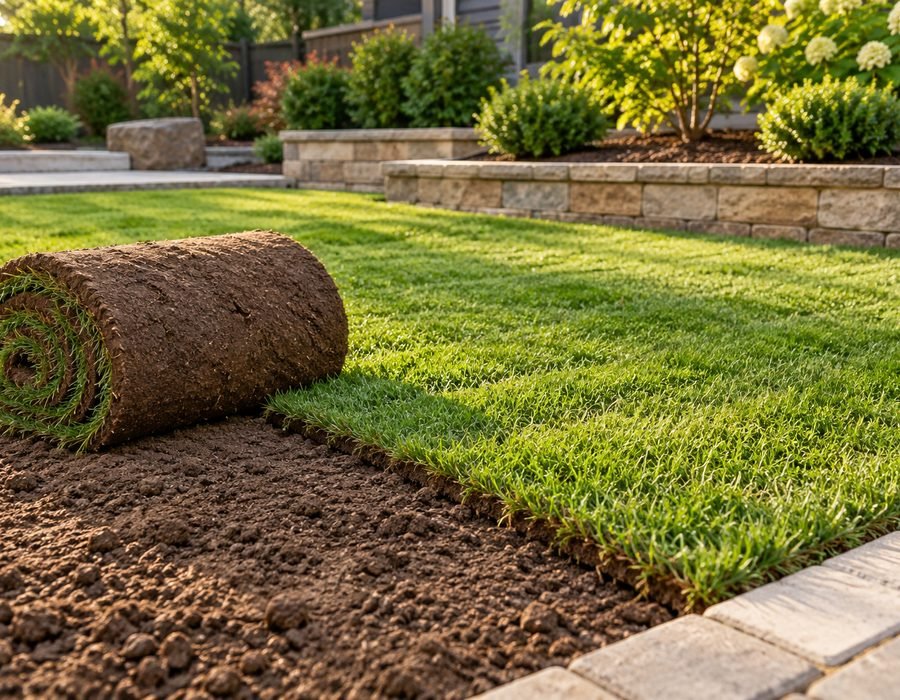
A new lawn on bare ground starts with the site you have. Levels, drainage and soil condition need to be understood before turf is laid. Paths and garden beds also help define the lawn’s edges and the amount of turf needed.
Replacing an old lawn calls for another question: why did the earlier grass fail? If the problem was shade, traffic or water collecting in one place, a replacement lawn may need a change to the site or to the grass choice. Removing the worn turf alone does not solve those conditions.
If only part of the lawn is struggling, you may want to discuss repairing that section rather than replacing the whole area. Tell GREENCREST WA whether the issue is spread across the yard or limited to a few spots. Photos taken at different times of day can help show where shade falls.
For either type of project, talk about what happens immediately after the turf is laid. New grass needs time to attach to the soil and recover from being moved. The space may look ready to use before its roots are established. Make sure you understand the watering and use advice for the turf chosen. Source: Water Corporation.
Why Choose GREENCREST WA?
GREENCREST WA can discuss Lawn Installation around your outdoor space, your reason for wanting new grass and the care you can give it afterward. Start with the ground you have rather than a picture of a finished lawn alone.
You do not need to know the right turf variety before getting in touch. Describe the amount of sun, how the space is used and what went wrong if there was a lawn there before. These details help turn a broad request for natural grass installation into a clearer discussion about your property.
Ask what the proposed quote allows for: existing lawn removal, ground preparation, turf, edges and any watering or drainage work. Services should be agreed for your site rather than assumed from a general description. A clear scope helps you compare options and plan for the days after installation.
FAQs
Frequently Asked Questions About Lawn Installation
Yes. Fresh turf needs moisture while its roots grow into the soil beneath it. Watering can then change as it establishes. Follow guidance for the chosen grass, soil and weather, and check any local watering requirements. Sources: Water Corporation; Water Corporation watering exemptions.
It depends on why it turned brown and how much of it has been affected. Some lawns can recover when watering, soil or care issues are corrected. A lawn that cannot be saved may need soil improvement before replacement. Source: Water Corporation.
Yes. New turf needs suitable soil beneath it so its roots can establish. The condition and level of the ground, existing growth and the way it holds water should be considered before laying grass. Sources: Water Corporation; University of Minnesota Extension.
Give the turf time to root before regular play or heavy foot traffic. How long this takes depends on the grass and conditions; its appearance alone does not show whether it has rooted well. Ask for care advice suited to the turf used. Source: Water Corporation.
Send the area size, photos, current surface and details about sun, shade, drainage and access. Explain whether you want new turf or are replacing an old lawn, and how the space will be used. These site conditions matter when preparing soil and choosing grass. Source: Water Corporation.
Related Services