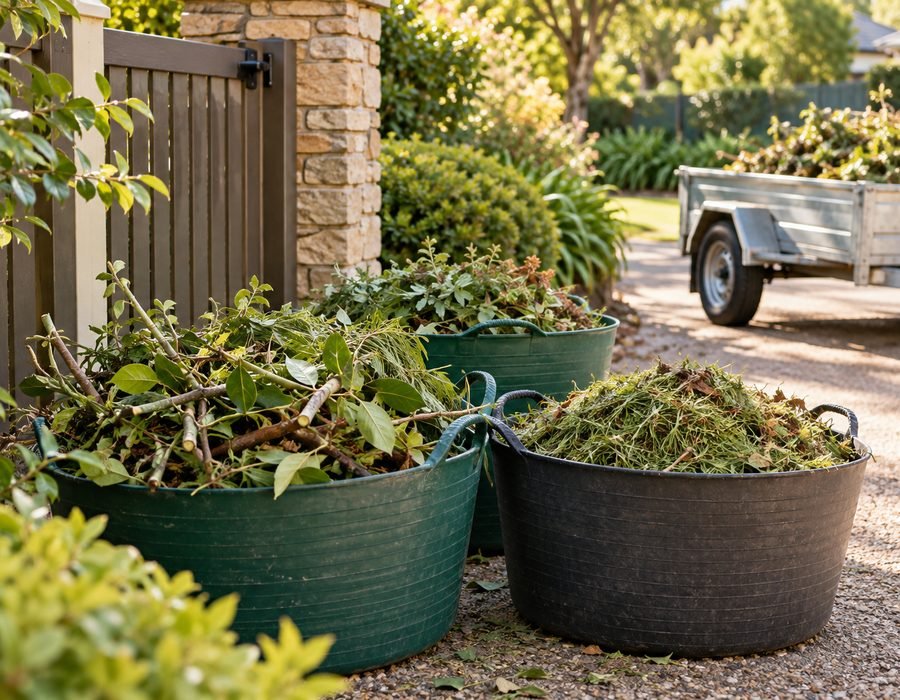
Pruned branches, cut grass and fallen leaves can take up more room than you expect. A garden may look much better after the work is done, yet the piles left behind can still block a path, fill a bin or keep you from using the space. GREENCREST WA offers Green Waste Removal for people who need help clearing plant material from an outdoor area.
The right arrangement depends on what has been collected, how much there is and where it sits. A few bags of leaves are different from a large stack of woody branches. Tell us what you have, where it is and whether you need a one-off Green Waste Pick up or want to discuss repeat collection after garden work.
Request a quote from GREENCREST WA and share photos of the material you want removed.
Why Green Waste Removal Matters
Removing cuttings after garden work gives you room to use the outdoor space again. It can clear the view of a bed, open a path and stop a pile of branches from becoming a permanent part of the yard. For people who do not have a suitable bin, compost area or way to move the material, arranging a pickup may be the practical next step.
Green waste is plant material such as leaves, grass clippings and prunings. It should be kept separate from general rubbish where possible because waste facilities and garden-organics services have their own acceptance rules. Recycle Right explains that a garden organics bin may accept grass, plant cuttings, leaves and small branches, while the exact system depends on the local council. Source: Recycle Right.
Not every piece of plant material needs to leave the garden. Healthy leaves can sometimes be used to make leaf mould, and some clippings may be suitable for compost. Other material may be too bulky for the space available. The aim is to choose a practical option for the material you have rather than letting it sit where it gets in the way. Source: Royal Horticultural Society.
When to Consider Green Waste Removal
A pickup can help after hedge trimming, lawn work, pruning or a larger garden tidy. It can also suit a property where fallen branches and leaves have built up over time. You do not have to wait for an overflowing pile before asking about removal.
You may want Green Waste Collection when:
- Your garden bin will not hold the amount of plant material you have.
- Branches or cuttings are blocking a path, gate or work area.
- A garden project has left several piles in different places.
- You are getting an outdoor area ready for a move or property handover.
- You do not have space for composting or leaf storage.
- The material is too bulky to move with the tools or transport you have.
Before requesting a quote, take a quick look at what is in the pile. Green waste should be described separately from soil, bricks, plastic pots, treated timber, household rubbish and other non-plant items. Some facilities only accept clean garden material. Source: Western Metropolitan Regional Council.
If a tree has fallen, a limb is caught above the ground or material sits near an electrical line, explain that clearly. Removal of loose garden cuttings is different from tree work or dealing with a dangerous branch, and the job needs to be assessed on its own terms.
What Makes a Difference to the Result
The kind of material in the pile
Soft green material such as grass and leaves behaves differently from thick, woody branches. Light material can fill bags and bins quickly, while branches can be awkward to carry or stack. Wet material may also be heavier than it looks. A useful quote depends on the type of waste as well as the size of the pile.
Some plants may need special care. Material that appears diseased should not automatically go into a home compost heap. The Royal Horticultural Society advises careful handling of infected plants to limit the spread of disease. Source: Royal Horticultural Society. Tell GREENCREST WA if the cuttings come from plants that look unwell or if you know the pile contains invasive weeds.
Volume and access
A photo can show the pile, but its size can be hard to judge without an object nearby for scale. Send a wide photo and, if possible, an estimate of the length, width and height. Say whether the material is loose, bagged, bundled or already in a bin.
Access matters as well. A pile beside a driveway is easier to reach than one behind a narrow gate or at the far end of a large property. Steps, slopes and several small piles can change the time needed. Sharing these details early helps make the discussion about Green Waste Removal more accurate.
Where the material can go
The suitable disposal option depends on the material and the rules in the area where it is collected. In Western Australia, some movements of wood and plant material are subject to quarantine conditions linked to the polyphagous shot-hole borer. The Department of Primary Industries and Regional Development also states that green waste taken to relevant facilities must be securely contained during transport. Source: WA Department of Primary Industries and Regional Development.
These rules can change, and acceptance differs between facilities. A quote should therefore take account of what the material is and where it will be collected. Avoid mixing non-plant rubbish into a green-waste pile if you want it handled as garden material.
One-Off and Regular Green Waste Removal
A one-off pickup is useful after a larger job. You might have cut back a row of hedges, cleared an overgrown bed or collected leaves over several weekends. Once the pile is removed, you can see how much usable space has been recovered.
Regular collection may suit a property that produces more cuttings than its bins can hold. This may happen when a garden has several hedges, many trees or frequent maintenance visits. The right interval depends on how much material the garden actually produces. There is little value in arranging the same volume of collection every time if the amount changes through the year.
If you already have someone maintaining the garden, ask whether the cuttings are being removed as part of that work. If they are left on site, discuss when a separate Green Waste Pick up would be useful. Keeping the two tasks clear helps prevent a pile from growing while everyone assumes another person will take it away.
You may also prefer to keep part of the material for compost or mulch and remove only the excess. State that before the quote is prepared. The goal is to take away what you want gone while leaving anything you have chosen to reuse.
Why Choose GREENCREST WA?
GREENCREST WA can discuss the Green Waste Removal job based on your actual pile and the space around it. Start with the material you have, its rough amount, its location and your preferred timing. A clear description is more useful than guessing the size of a load from memory.
If you need garden cleaning or help with garden work as well, describe those needs separately. Removing material already cut and carrying out new garden work are different tasks. Keeping them clear makes it easier to discuss what you want quoted.
Tell us if you want to keep healthy branches for another use, put leaves in your own compost area or leave some material on site. That way the requested pickup is shaped around your choices. If a pile contains anything other than ordinary plant waste, mention it before arranging collection.
FAQs
Frequently Asked Questions About Green Waste Removal
Green waste generally means plant material from a garden, such as grass clippings, leaves, small branches and prunings. Soil, building materials and household rubbish are separate materials. Bin and facility rules vary, so check the local service that will receive the waste. Sources: Recycle Right; Western Metropolitan Regional Council.
Small branches may be accepted, but the size limits and bin system depend on the local council. Larger branches may need a different collection or drop-off option. Check your council’s current instructions before placing them in a bin. Source: Recycle Right.
Keep it separate. Green-waste facilities commonly ask for clean plant material without inorganic rubbish mixed in. Describe any mixed material when requesting a quote so the job is not treated as a plant-only pickup. Source: Western Metropolitan Regional Council.
It can. Diseased material may need careful handling, and a home compost heap may not be suitable for every type. Tell the collector if you know plants in the pile were unwell. Source: Royal Horticultural Society.
Send photos, describe the plant material, estimate the size of the pile and explain how it can be reached. Mention large branches, mixed rubbish and any known pest or disease issue. Disposal and movement requirements can depend on the material and area. Source: WA Department of Primary Industries and Regional Development.
Related Services